
Layer by layer
How a GRP Roof Is Laid
A GRP roof is five layers: a new timber deck, resin, glass fibre mat rolled into the resin, GRP edge trims and a coloured topcoat. It's laid in dry weather and cures hard on the roof.
The layers, the weather rules, and where GRP roofs fail.
Free, no obligation. One local company prices it, not five.
Five layers, bottom to top
- DeckOSB3 18 mm tongue and groove boards, screwed or ring-shank nailed to the joists, every edge supported
- ResinRoofing resin with hardener, about 1.5 kg a m², brushed and rolled onto the dry deck
- Glass fibre matChopped strand mat rolled into the wet resin until it goes clear: 450 g/m² for most roofs, 600 g/m² for walkways and balconies
- TrimsPre-formed GRP edge trims, bonded round the edges and laminated in
- TopcoatA pigmented topcoat, about 0.4 kg a m², after a light sanding: grey as standard, with anti-slip aggregate where it's walked on
Each GRP system has its own manual, and the roofer should follow it to the letter: that's what the material guarantee depends on.
Why rain stops the job
- GRP is never laid in wet or damp conditions, or on a damp deck: it doesn't bond, and it fails. A good roofer keeps a sheet on site and stops and covers the roof if rain comes.
- Hardener is mixed at 1 to 4%, adjusted for the temperature, and resin and topcoat aren't put on surfaces above 35°C.
- The laminate cures in about 4 to 6 hours at 15°C or above before the topcoat goes on. Below 10°C the cure is unreliable.
In an Irish winter that means a dry spell, and sometimes a wait. A GRP roofer who presses on in drizzle is a red flag.
Where GRP roofs usually fail
The risk with GRP is the workmanship: it needs the right preparation, weather and curing, and a bad job cracks. Most cracks start at the trims, at joints in the deck under the laminate, or where the roof meets a wall.
- Trims bonded with trim adhesive and laminated in, not just nailed.
- Upstands formed up the wall, with a flashing over them.
- Deck boards with every edge supported, so they don't move under the laminate.
- A fall to the outlet, so water doesn't sit.
Five questions before you agree
- Which GRP system, and are you trained on it?
- A new OSB3 deck, or the old one?
- What mat weight?
- What happens if it rains on the day?
- What does the guarantee cover: materials, workmanship, or both, and for how long?
GRP jobs we cover
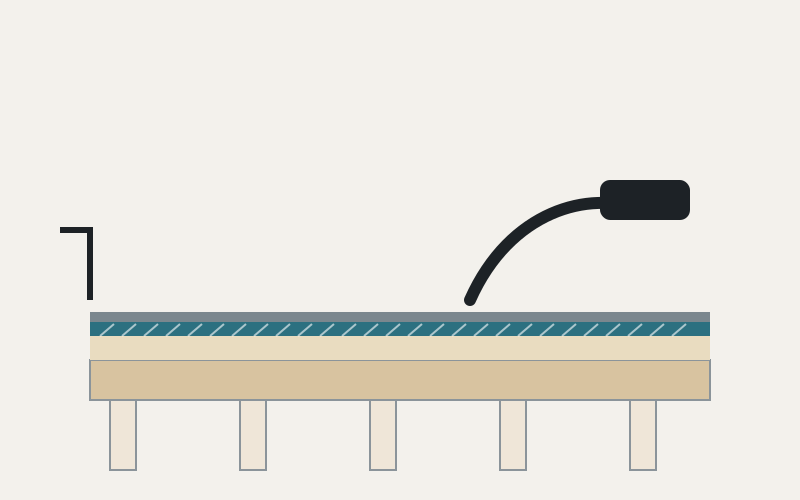 New GRP roofsStrip the old roof and lay GRP. €75 to €140 a m².More on new grp roofs →
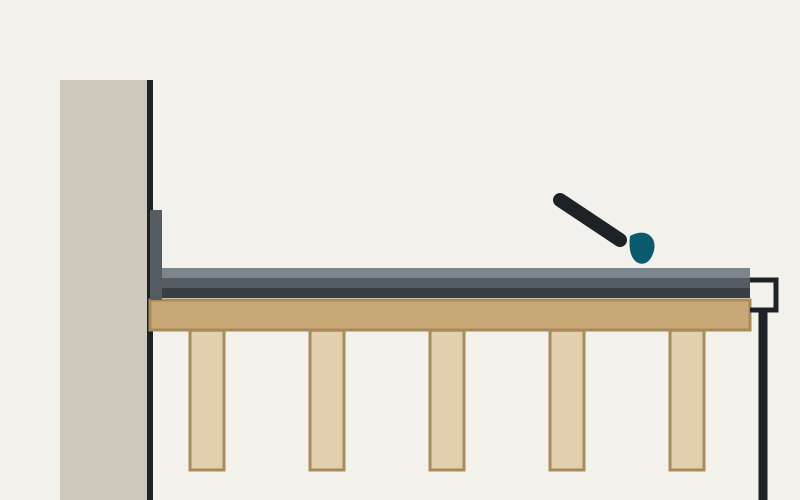 GRP over an existing roofOnly over a dry, sound deck. €1,800 to €5,000.More on grp over an existing roof →
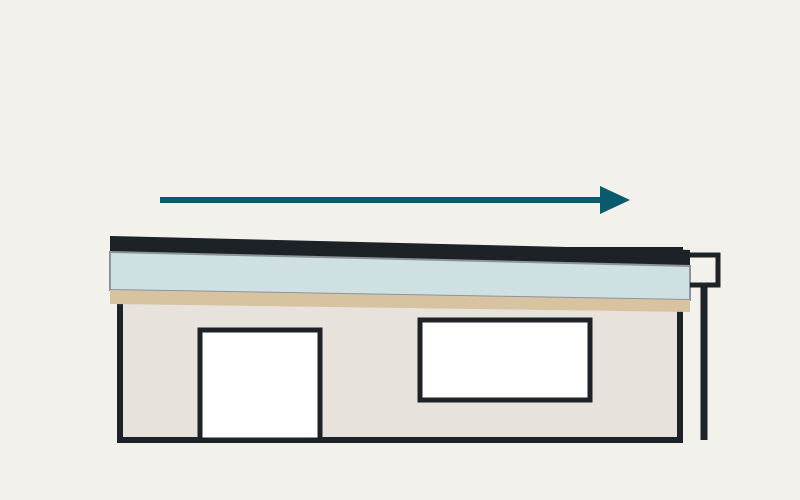 Garage roofsThe commonest roof to go over to GRP. €1,800 to €5,200.More on garage roofs →
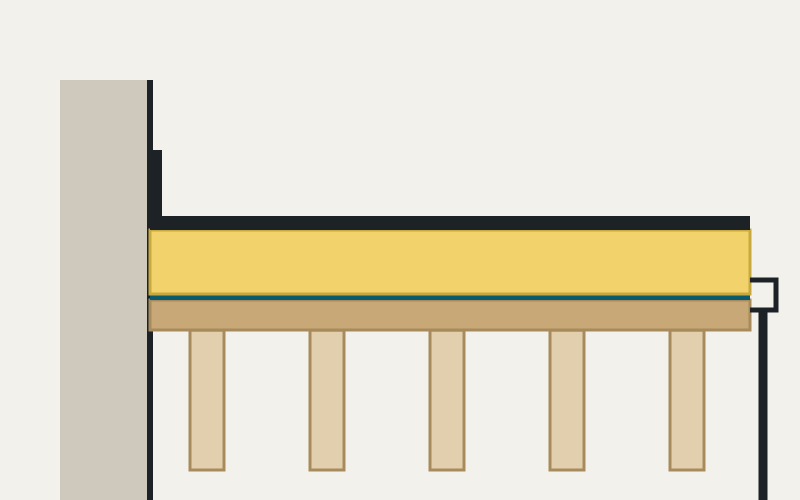 Extension roofsWith insulation over a heated room. €3,800 to €6,500 for 30 to 40 m².More on extension roofs →
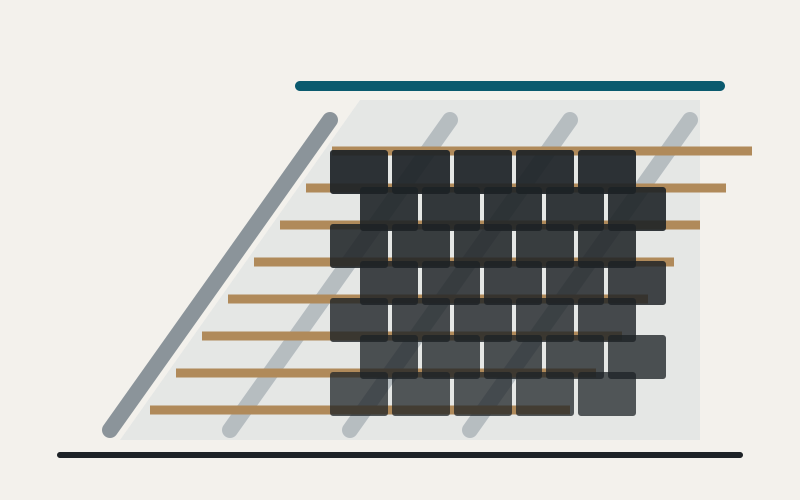 Dormers and balconiesSmall roofs with lots of edges, and roofs you stand on.More on dormers and balconies →
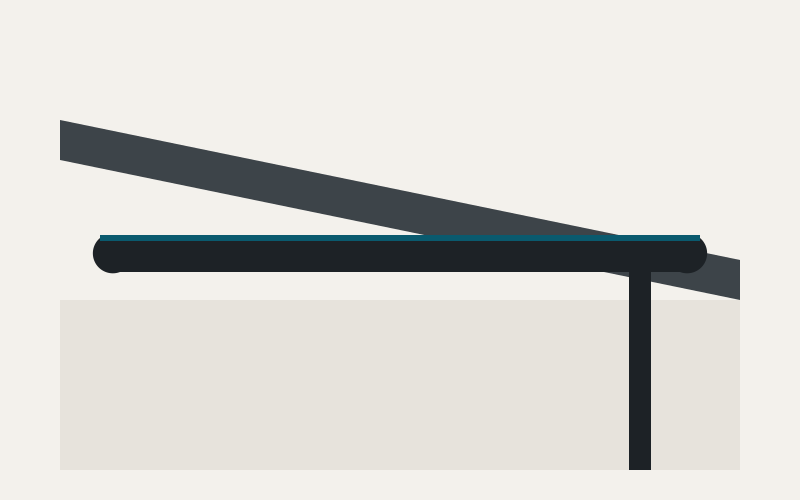 GRP roof repairCracks, trims, outlets. €250 to €900.More on grp roof repair →
Fibreglass roofing in every county
- Carlow1.4% flat main roofs
- Cavan0.8% flat main roofs
- Clare1.2% flat main roofs
- Cork2.5% flat main roofs
- Donegal1.0% flat main roofs
- Dublin3.0% flat main roofs
- Galway1.2% flat main roofs
- Kerry1.8% flat main roofs
- Kildare1.0% flat main roofs
- Kilkenny1.4% flat main roofs
- Laois1.2% flat main roofs
- Leitrim1.2% flat main roofs
- Limerick1.6% flat main roofs
- Longford0.9% flat main roofs
- Louth2.3% flat main roofs
- Mayo2.3% flat main roofs
- Meath1.3% flat main roofs
- Monaghan0.9% flat main roofs
- Offaly1.3% flat main roofs
- Roscommon1.2% flat main roofs
- Sligo1.4% flat main roofs
- Tipperary1.6% flat main roofs
- Waterford2.2% flat main roofs
- Westmeath1.5% flat main roofs
- Wexford2.7% flat main roofs
- Wicklow2.7% flat main roofs
Free quote
Get a price in 4 taps
Tap what you need and leave your number. It goes to one flat roofing company that covers your county, and they ring you back to arrange a look and a written price.
Questions people ask
What deck does a GRP roof need?
A sound, dry timber deck: OSB3 18 mm tongue and groove boards is the usual spec.
Can GRP be laid in the rain?
No. Wet or damp conditions make it fail, so the roofer stops and covers the roof.
How long does GRP take to cure?
About 4 to 6 hours at 15°C or above before the topcoat. Longer in cold weather.
Can I walk on a GRP roof?
Yes, once it's cured. The standard 450 g/m² mat takes normal foot traffic; 600 g/m² is for walkways and balconies.
Get a free price for a GRP roof
One local flat roofing company, a look at the roof, a written price. Free, no obligation.